
The question we hear all the time
So - what actually is chamber music?
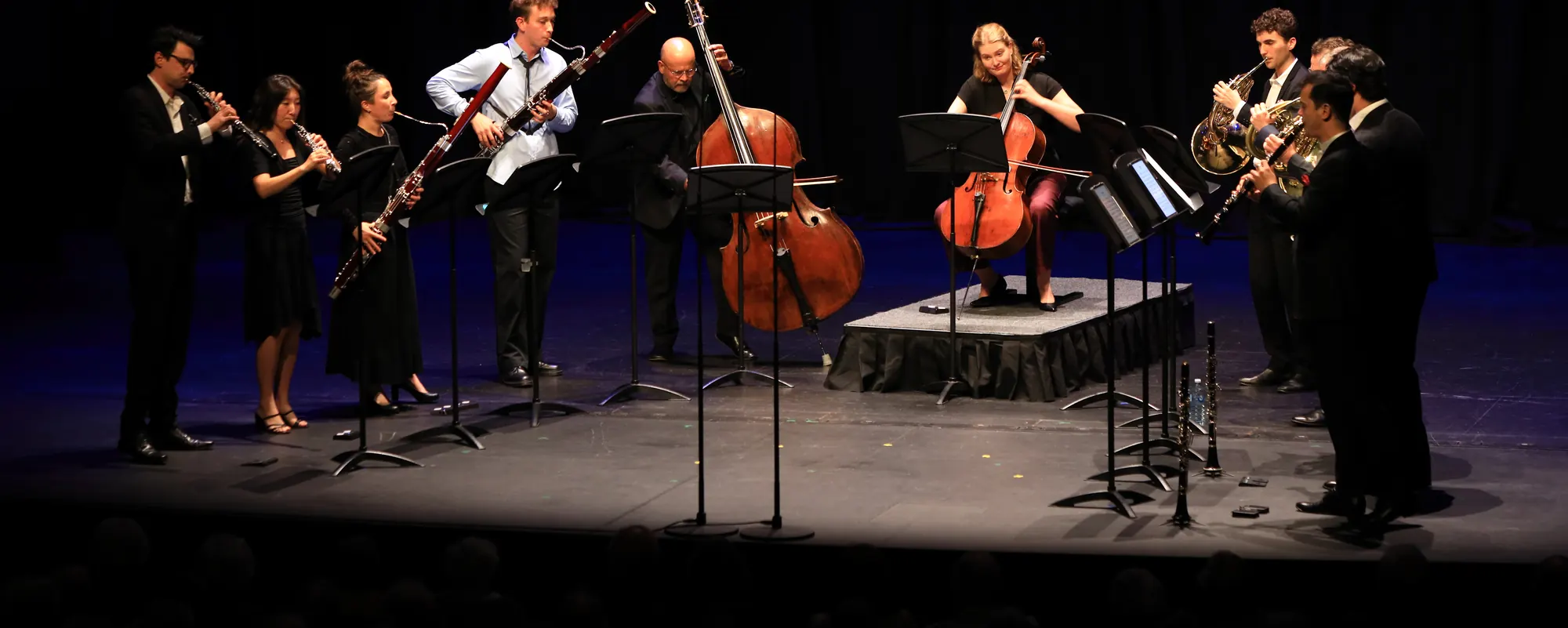
A small room. A few of the world's finest musicians. No conductor - just players sitting close and listening hard to each other. Here's the short version, from someone who explains it for a living.
In conversation: Wendy, Head of Music, Trinity Anglican School - on why a few instruments in a small room can hold a whole audience still. Watch on YouTube
The short answer
A chamber is simply a room - a smaller space but one where the nuances of players choices with the instruments can be heard clearly. Where an orchestra needs a stage, dozens of players and a conductor to hold it all together, chamber music is all about the player's communication, collaboration and understanding in the detail of the music they are playing
It began as private music: a little live backdrop for wealthy households a few centuries ago, before it made its way out of those rooms and into everyone's reach. Same intimacy, no velvet rope.
Usually it's one player to a part - a duo, a trio, a quartet - and, crucially, no one waving a baton. The musicians keep it together entirely between themselves.
For the players
No conductor. Just listening.
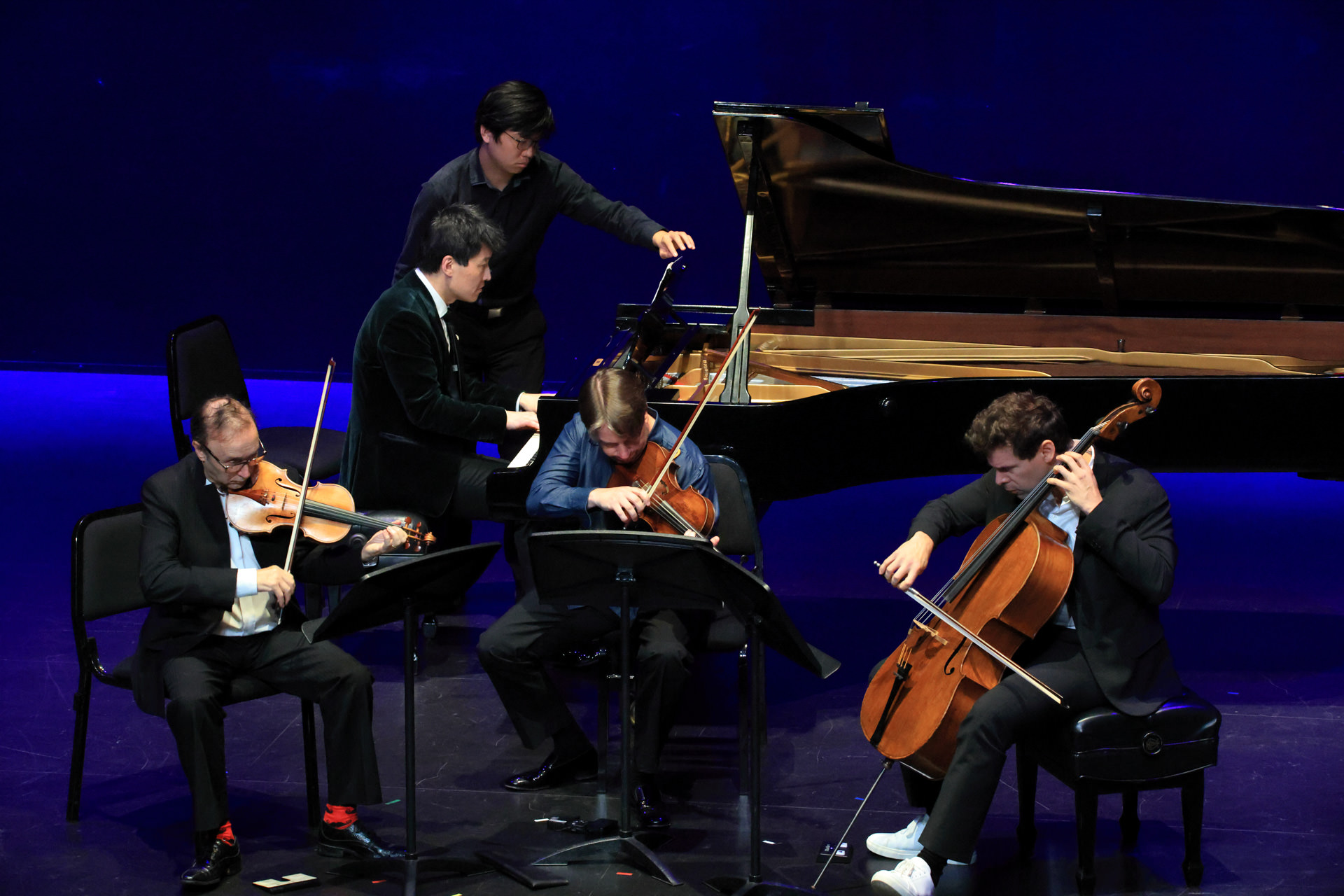
With no one out front keeping time, the musicians hold the piece together themselves - and if you watch closely, you can see them doing it. A quick glance to line up an entry. A lean toward one another as the sound swells or softens. An exchange that's physical as much as musical.
At AFCM these are some of the finest players in the world, mixed and matched into combinations you'll never hear again - reading each other in real time, a very small team working without a net.
A great AFCM example in 2026: In "Twilight's Embrace," the Sitkovetsky Trio brought Bloch's Three Nocturnes to life with what one reviewer called impeccable unity - three players moving from mystery to a soothing calm to a stormy, muscular finish, entirely on their own cues.
"They're listening really carefully to every component, and balancing it up as a team."- Wendy Brentnall, Head of Music, Trinity Anglican School
For you, in the audience
Every instrument keeps its own voice
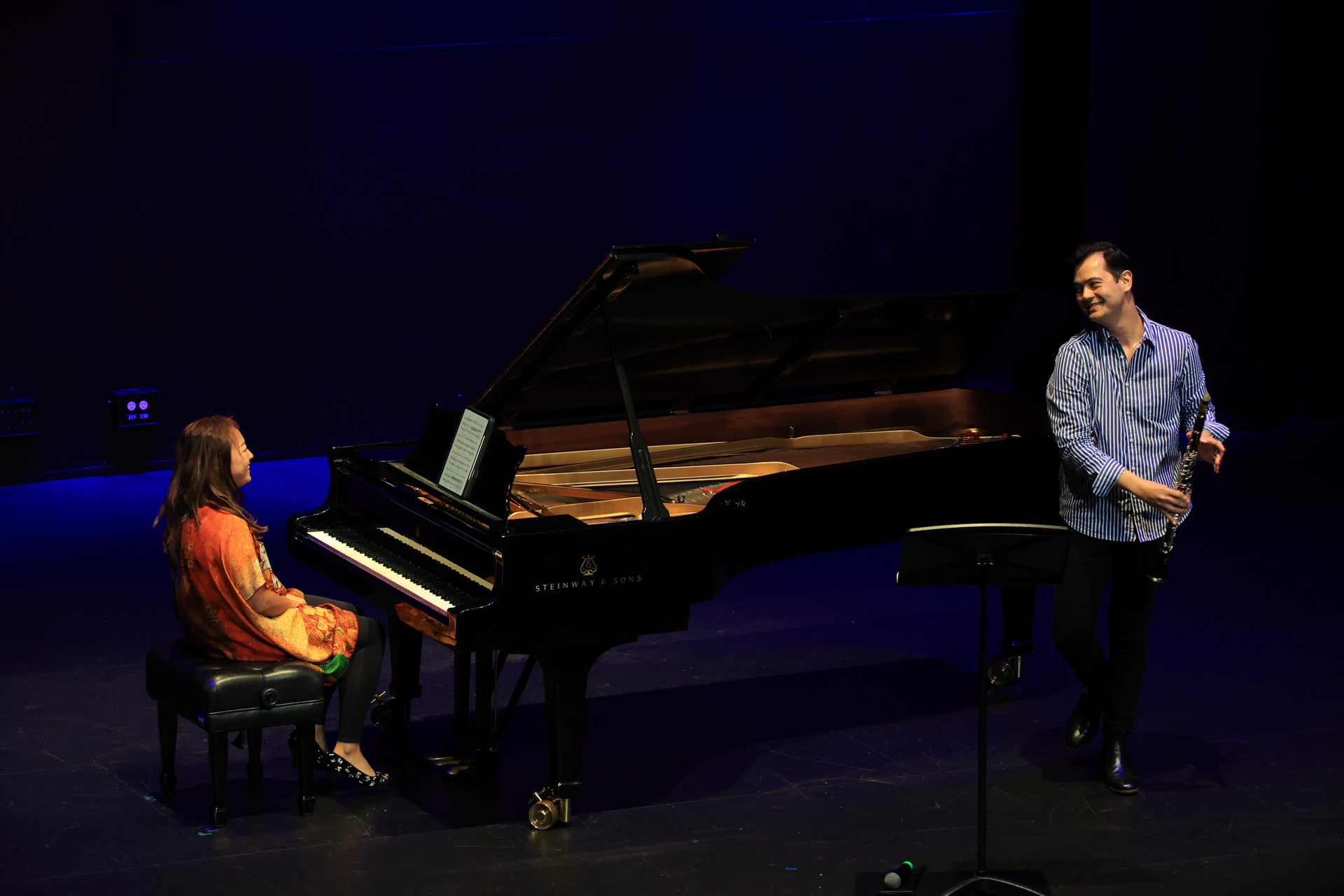
Because the group is small, nothing gets buried. You'll hear the violin take a melody, then the cello step in underneath - each personality clear, each tone distinct, in a way a full orchestra can't quite give you.
And you'll see it happen, just like many did watching AFCM 2026: "Wonderful World," when cellist Christian-Pierre La Marca's astonishing tone stayed instantly distinct from the ensemble's crystal-clear, translucent accompanying lines around him - pianist Kristian Chong in particular building from discreet figuration into real fire in Fazil Say's Cello Sonata, never once crowding La Marca's voice out.
Half the pleasure is watching the players talk to each other without a word - the nods, the cues, the glances that tell you where the music is going before you understand a note of it.
A glance before an entry. Watch one player catch another's eye a beat before they come in - the count-in, happening silently.
A lean-in as it swells. As the volume lifts, bodies tilt toward each other; the balance you're hearing is being negotiated on the spot.
A held pause, together. A silence landed perfectly by four people with no one conducting. It never quite stops being remarkable.
If it feels a bit daunting
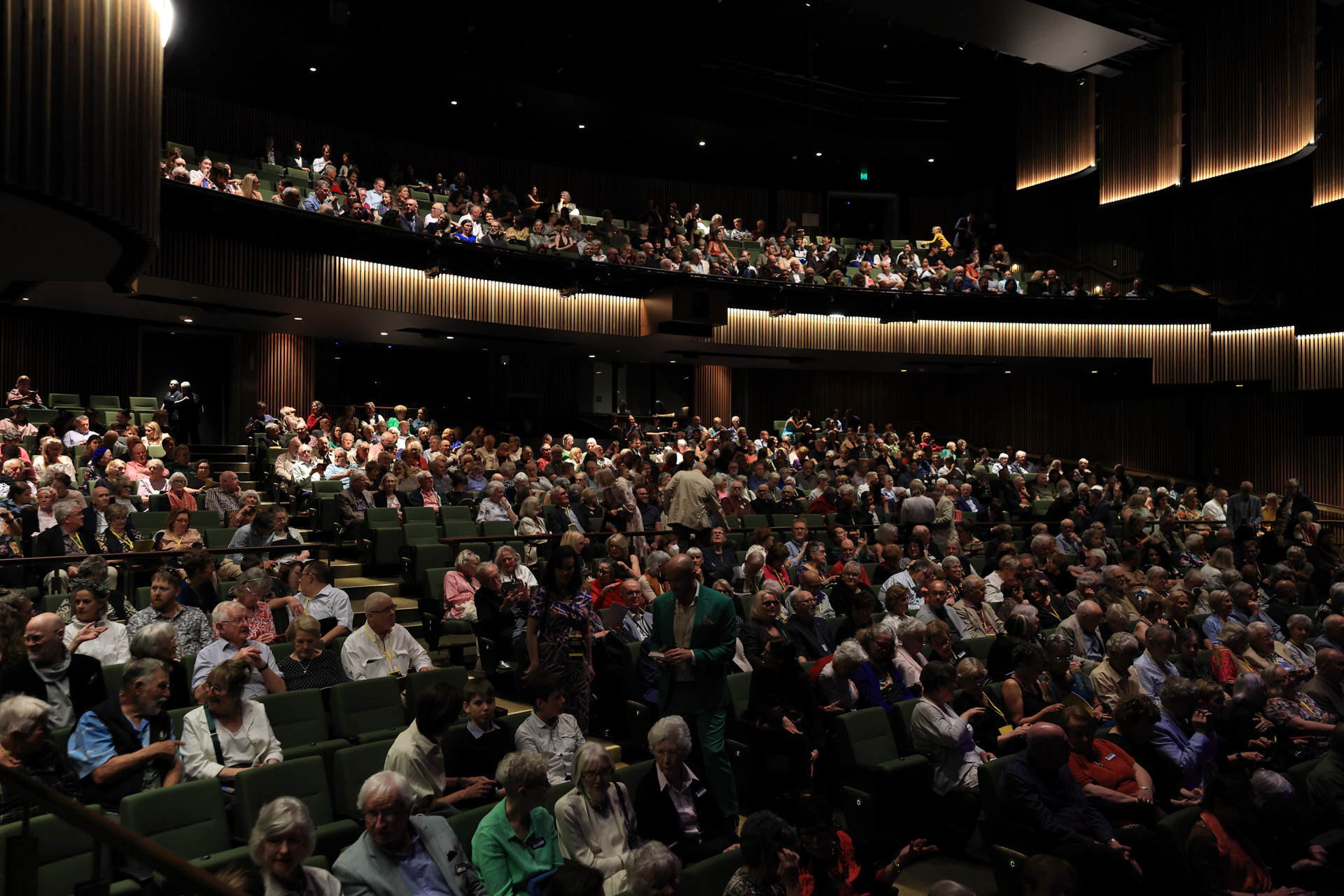
Plenty of people assume classical music isn't for them. Usually that's just because it's unfamiliar, and anything unfamiliar feels a little daunting at first. You don't need to arrive knowing the etiquette - like when not to clap between movements - to have a wonderful night.
"That's why you go with a friend who knows what they're doing."- Wendy Brentnall, Head of Music, Trinity Anglican School
Or just start by having a listen. Find one piece you don't mind, follow the trail from there, and let it lead you somewhere. There's no wrong way in.
The stars of 2027
If you're not sure where to begin - begin with VOCES8
For AFCM 2027, British vocal ensemble VOCES8 join us as ensemble-in-residence, exclusively in Cairns. Eight voices, no instruments, moving from Renaissance polyphony to pop, jazz and film scores - chamber music at its most immediate. AFCM 2027 will play home to some of their most popular songs but also anticipate extra special elements for their only 2027 show in Australia.
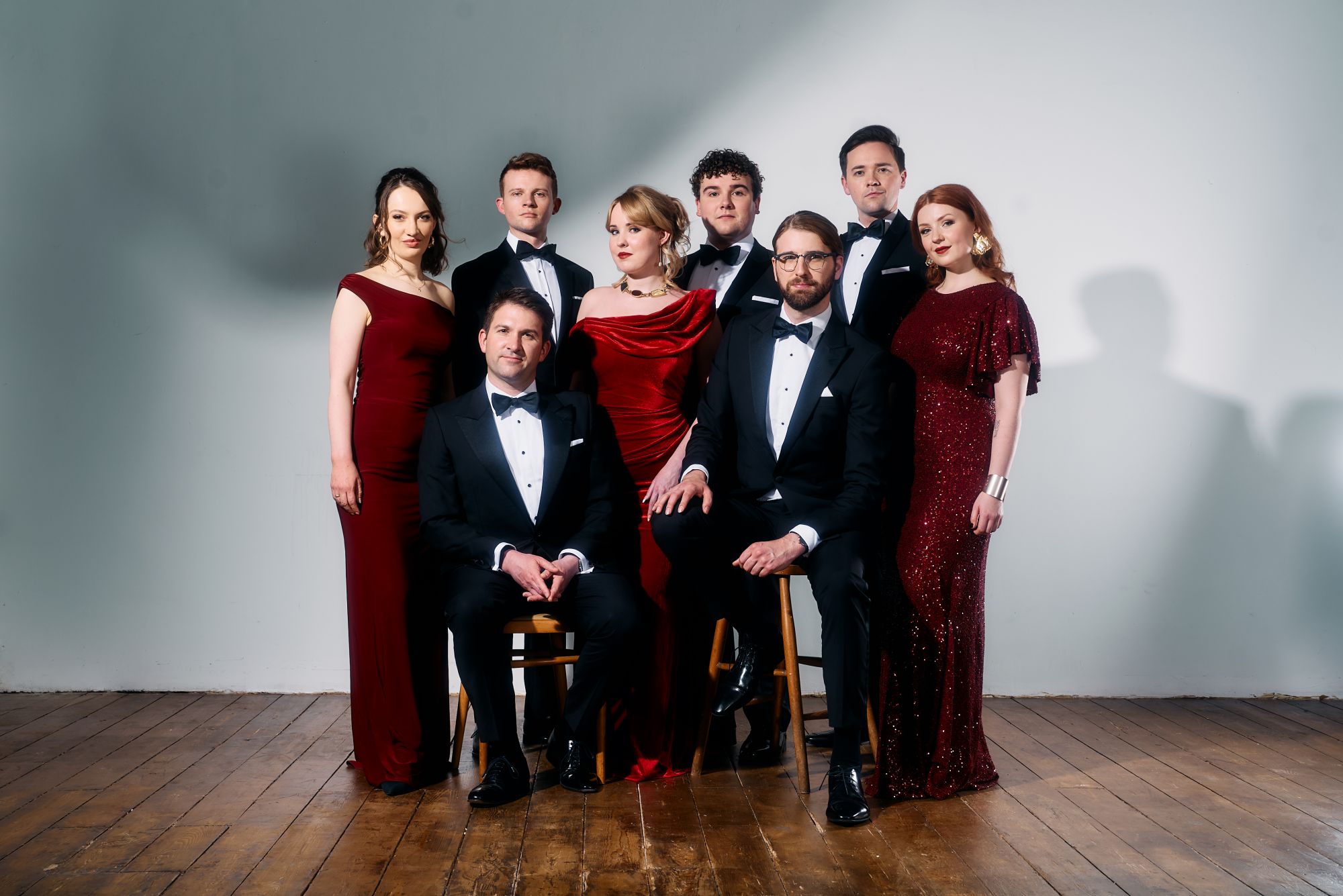
Come for the music. Stay for everything else.
The world's finest musicians, on the edge of the reef
AFCM happens in winter, when Australia's north is at its most beautiful. Warm days, clear water, and world-class chamber music every evening. With the Great Barrier Reef and the Daintree rainforest on your doorstep, a weekend of concerts becomes a trip worth taking on its own - pair your favourite performances with the reef and the rainforest and you've composed your own festival.
First time? A few honest answers
Do I need to know anything about classical music?
No. Curiosity is the only prerequisite. The music does the work - you just have to be in the room and ready to listen.
When am I supposed to clap?
At the end of the whole piece, not between its movements. If you're unsure, take your cue from the room - or come with someone who's been before.
What should I wear?
Whatever you'd wear to a nice dinner. There's no dress code, and no one's checking.
I've never been. Where do I start?
A one-hour concert is a terrific first step, or anything featuring VOCES8. Find one thing you like, then discover more on YouTube or Spotify.